
How to Choose the Right Clay for Your Pottery Project
Have you ever sat down to start a pottery project, only to realise halfway through that the clay you picked isn’t behaving the way you expected? Maybe it cracks, maybe it slumps, or maybe it just doesn’t give you the finish you imagined. Choosing the right clay is one of the most important steps in pottery, yet it’s something many beginners (and even pros!) often get confused about.
The good news? Once you understand how different pottery clays work, you’ll never struggle with clay selection again. Whether you’re making a delicate mug, a sturdy planter, or a decorative sculpture, this guide will help you choose the perfect clay for your next creative masterpiece.
Let’s dive in!
Why Choosing the Right Clay Matters
Pottery clay isn’t one-size-fits-all. Each type of clay behaves differently; some shrink more, some dry faster, some need higher temperatures, and some are perfect for hand-building, while others are great for the wheel.
Choosing the wrong clay can lead to:
Cracks and breakage
Warping during drying
Weak final pieces
Incorrect firing temperatures
Unwanted textures or finishes
But with the right clay, your project becomes easier, smoother, and much more enjoyable.
Factors to Consider When Choosing Clay for Your Pottery Project
Selecting the right clay depends on factors like firing temperature, clay texture, plasticity, project type, and your pottery technique. Consider whether you need strength, fine detail, or easy shaping. Understanding these factors helps you choose a clay that effectively supports your design, durability, and firing results. Ahead, we’ll simplify these points so you can pick the right clay with confidence.
1. Types of Pottery Clay
Understanding the pottery clay types is important for choosing the right one because it affects shaping, firing, durability, and finish. The correct clay ensures smooth workability, fewer cracks, and a beautiful, long-lasting final piece. Below, we will explain the three main types of clay in detail.
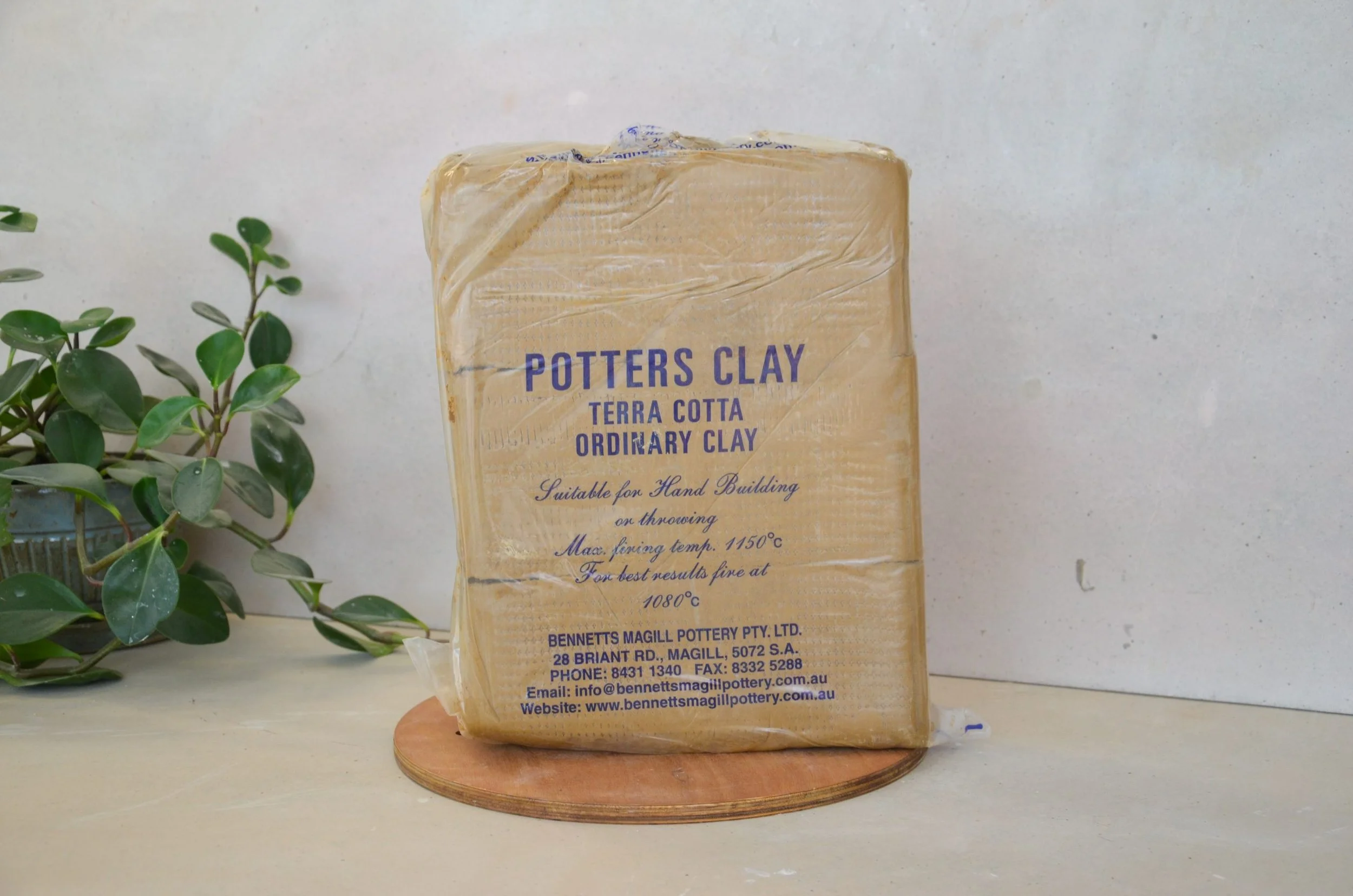
Bennett’s Ordinary – 20kg (A$54.00)
Bennett’s Ordinary comes straight from the earth and offers a naturally smooth, highly plastic texture. It is very responsive on the wheel, shapes beautifully, and fires to a soft cream tone. As temperature increases, the fired colour deepens, giving potters more control over the final finish.
Firing temperature: 1100°C – 1250°C
Texture: Very plastic and easy to work with
Shrinkage: 10%
Fired colour: Cream in oxidation, deeper tones at higher heat
Bennett's Ordinary is ideal for throwing and general pottery work, especially for potters who want natural clay behaviour with consistent and reliable firing results.
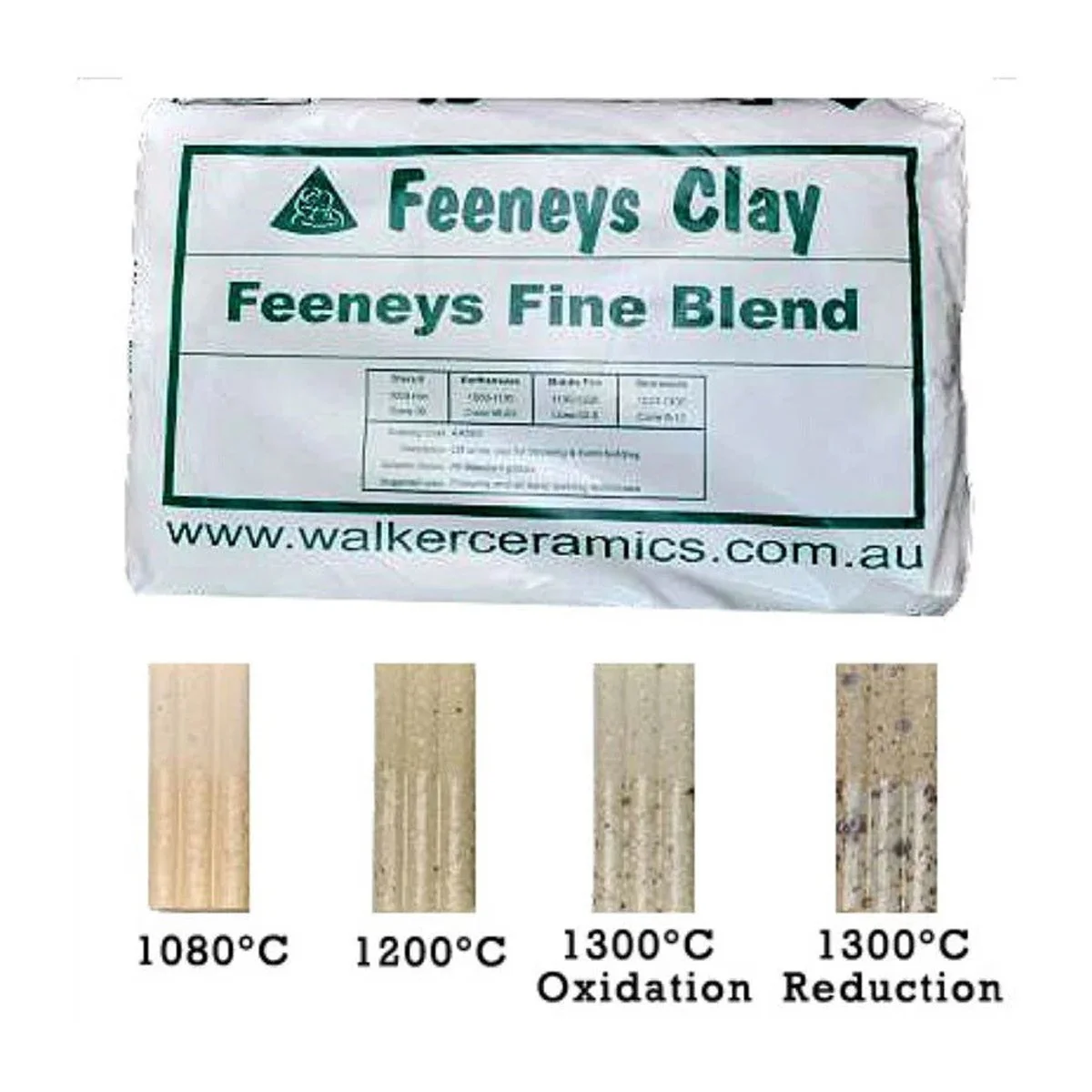
Feeney’s Fine Blend – 12.5kg (A$49.00)
Feeney’s Fine Blend is a smooth-to-medium clay suitable for throwing, hand-building, slabs, coils, and both earthenware and stoneware firing. Its wide temperature range makes it extremely versatile, and its clean white firing colour allows excellent glazing results in both oxidation and reduction atmospheres.
Firing temperature: 1080°C – 1300°C
Texture: Smooth to medium
Shrinkage wet to dry: 4.3%
Shrinkage dry to fired: 2.0% @1080°C, 8.5% @1300°C
Fired colour (oxidation): White
Fired colour (reduction): Dappled grey/cream
Feeney’s Fine Blend is perfect for potters who want one clay body that supports multiple techniques and produces consistent, professional-quality finishes.
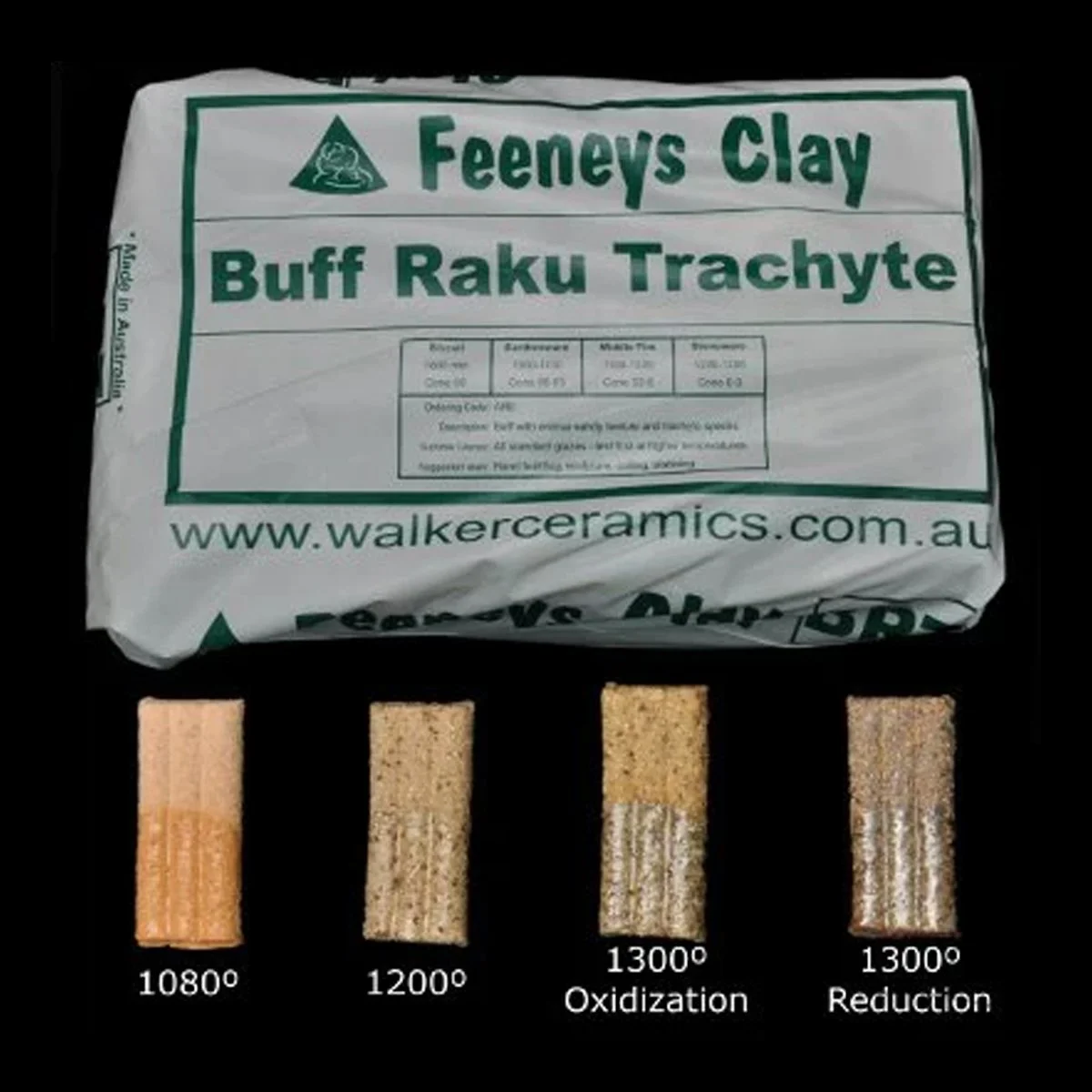
Buff Raku Trachyte BRT – 12.5kg (A$49.00)
This is a coarse, gritty clay designed for raku and expressive pottery styles. Its natural trachyte content creates striking textured surfaces and dramatic firing results. It fires beautifully in both oxidation and reduction, producing dark mottled tones and iron-rich effects that give each piece a unique artistic character.
Firing range: 1000°C – 1280°C
Texture: Coarse
Shrinkage wet to dry: 2.2%
Shrinkage dry to fired: 1.0% @1080°C, 4.0% @1300°C
Fired colour (oxidation): Dark speckled mottle
Fired colour (reduction): Dark brown with iron blebs
Buff Raku Trachyte is ideal for potters who want bold textures, rustic finishes, and dramatic raku results that highlight natural surface variation.
2. Choosing the Right Clay Based on Your Pottery Technique
The type of clay you use should match your pottery technique. Different clays behave better for hand-building, wheel-throwing, slab work, or mould casting. The table below helps you select the ideal clay for your preferred method:
| Technique | Recommended Clay | Why It Works | Notes |
|---|---|---|---|
| Hand-Building | Bennett’s Ordinary, Feeney’s Fine Blend | Soft, workable, easy to shape and join | Bennett’s for beginners, Fine Blend for smoother finish |
| Wheel-Throwing | Feeney’s Fine Blend, Bennett’s Ordinary | Good plasticity, holds form on the wheel | Fine Blend gives clean white results |
| Slab Work | Feeney’s Fine Blend, Buff Raku Trachyte BRT | Holds edges and flat surfaces well | BRT adds natural strength and texture |
| Coil Building | Bennett’s Ordinary, Feeney’s Fine Blend | Flexible, easy to blend and smooth | Fine Blend stays strong at higher temperatures |
| Slip/Mould Casting | Feeney’s Fine Blend (as slip) | Smooth flow, captures details well | Great for ornaments and repeated shapes |
| Sculpting / Decorative | Buff Raku Trachyte BRT, Feeney’s Fine Blend | BRT gives texture; Fine Blend offers detail | BRT is ideal for rustic, expressive surfaces |
| Raku Firing | Buff Raku Trachyte BRT | Strong, coarse body for dramatic effects | Produces mottled, artistic finishes |
3 Firing Temperature & Kiln Type
Different clays need specific firing temperatures and kiln types to achieve strength and the desired finish. The table below shows the recommended ranges:
| Clay Type | Firing Temperature (°C) | Kiln Type | Notes / Tips |
|---|---|---|---|
| Bennett’s Ordinary | 1100 – 1250°C | Electric or gas (low to mid-fire) | Very plastic and easy to work with; deepens in colour at higher temperatures |
| Feeney’s Fine Blend | 1080 – 1300°C | Electric, gas, or wood | Smooth to medium texture; versatile for earthenware to stoneware firing |
| Buff Raku Trachyte (BRT) | 1000 – 1280°C | Raku kiln, open flame, or gas | Coarse texture for bold surfaces; ideal for raku firing and expressive pieces |
4. Clay Texture & Plasticity
Clay’s texture and plasticity affect how it behaves while shaping. Texture is its surface feel: smooth, gritty, or coarse. Plasticity measures how easily it bends without cracking.
High plasticity: Soft, flexible; ideal for wheel-throwing or detailed hand-built work.
Medium plasticity: Balanced; good for slab work or structured pieces.
Low plasticity: Firm and coarse; best for sculptural or grogged clay projects.
Feeling clay before use helps predict how it will behave. Smooth, pliable clay suits beginners, while coarser clay adds stability for larger or textured items.
5. Clay Colour
Clay isn’t just a material; it’s part of your palette. Its natural colour sets the tone of your work, influencing mood, contrast, and the way glazes appear. Choosing the right clay colour can enhance both functional and decorative pottery.
| Clay Color | Characteristics | Best For |
|---|---|---|
| White | Clean, bright, modern | Porcelain, stoneware, fine detail work |
| Buff / Beige | Warm, earthy, natural | Rustic pieces, hand-built pottery, contrasting glazes |
| Red / Terracotta | Bold, earthy, traditional | Planters, textured surfaces, terracotta-style pottery |
| Dark Brown / Black | Dramatic, contemporary | Slip decoration, high-contrast designs, statement pieces |
6. Eco-Friendly Considerations
Practising eco-conscious pottery means thinking about how every choice affects the environment. From sourcing materials to finishing your pieces, small steps can make a big difference.
Choose local clay: Reduces transport impact and supports nearby studios.
Reuse leftover clay: Dry scraps can be rehydrated and reused for future projects.
Mix smart: Make small test batches before larger amounts to prevent waste.
Note: For beginners, Pot Studios offers a complete Pottery Starter Kit featuring essential tools and a simple guide to help you start creating beautiful pieces right away.