
Easy Pottery Projects for Beginners
Pottery is one of the most rewarding as well as creative hobbies you can start. There’s something deeply satisfying about shaping clay with your hands and turning a soft, natural material into something functional or decorative.
For beginners, pottery may seem challenging at first, but the truth is you don’t need advanced skills, expensive tools, or a pottery wheel to begin. With simple techniques, anyone can enjoy pottery from day one.
In this blog, we’ll explore a range of easy pottery ideas designed to help beginners build confidence, learn basic techniques, and start creating with clay comfortably.
Why Simple Pottery Projects Are Best for Beginners?
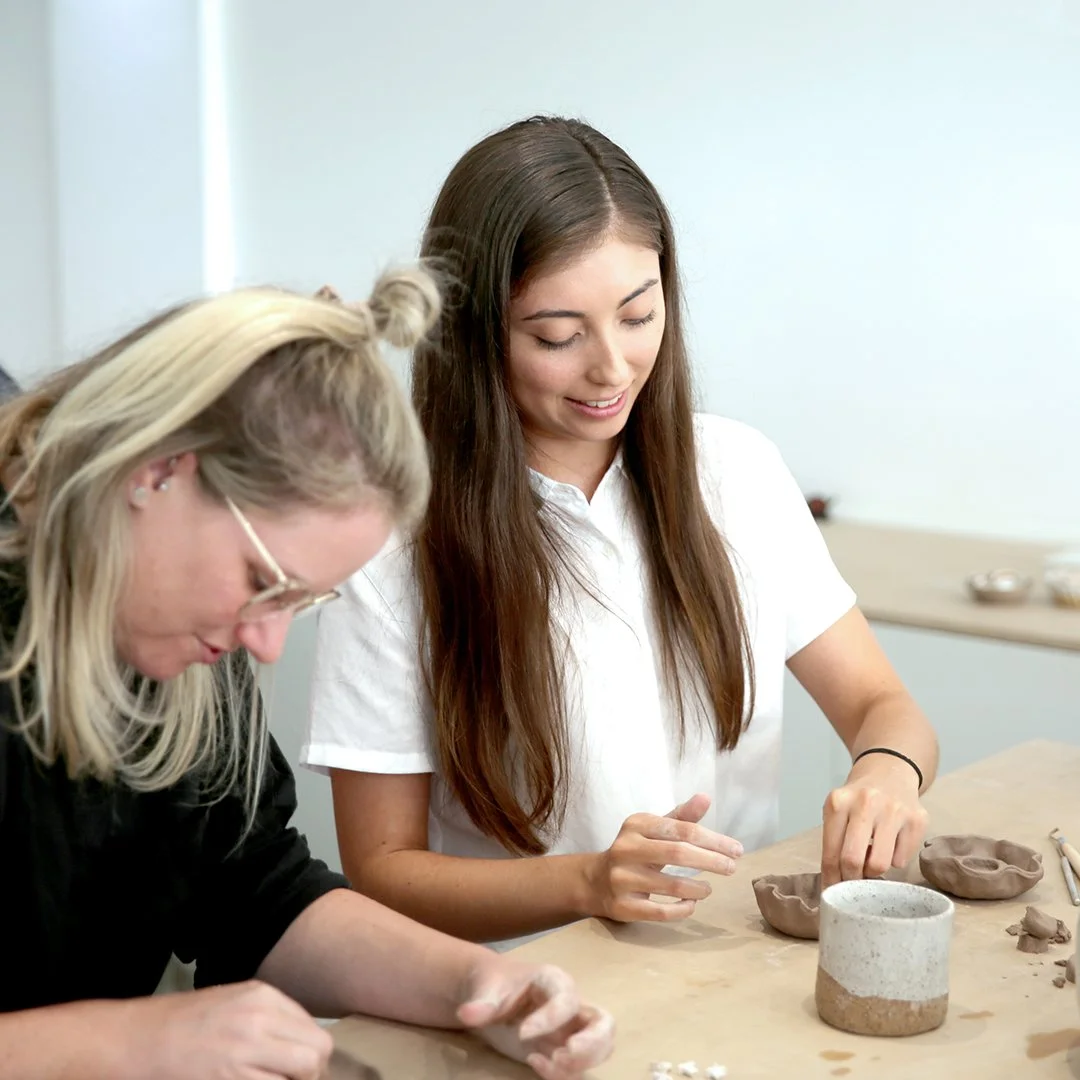
As a beginner, your main goal is to understand how clay behaves, how it feels, moves, and responds to your hands. Working with clay is a sensory experience, and learning its nuances takes time and practice. Simple projects allow you to explore this process step by step, without feeling overwhelmed.
Starting with easy pottery ideas helps you:
Understand clay structure, including thickness, balance, and drying behaviour
Develop hand coordination through pressing, shaping, and joining forms
Reduce mistakes as basic designs are easier to correct
Gain creative confidence as steady progress encourages experimentation
6 Easiest Pottery Projects Any Beginner Can Try
Getting started with pottery is exciting, creative, and surprisingly relaxing. As a beginner, it’s best to start with simple projects that teach you the basics while giving you a sense of accomplishment. Here are six easy pottery designs that require minimal tools and no prior experience.
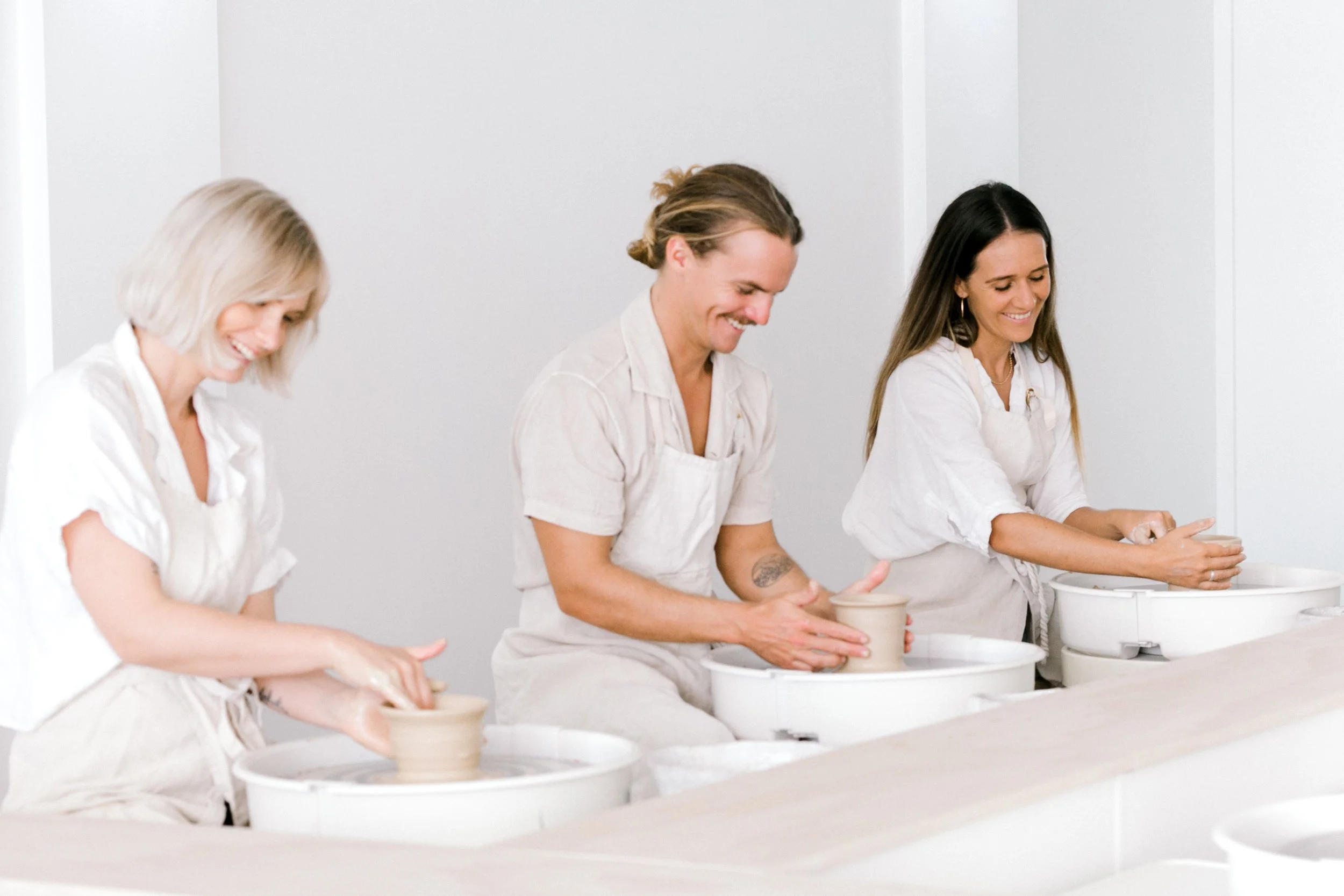
1. Pinch Pots
To make a pinch pot, start with a small ball of clay about the size of a tennis ball. Press your thumb into the centre and gently pinch the walls outward while rotating the clay in your hand. Continue pinching until the pot reaches your desired shape and depth.
Pinch pots are ideal for making small bowls, candle holders, or trinket dishes. Their charm lies in their imperfect, handmade look, which is part of the fun for beginners.
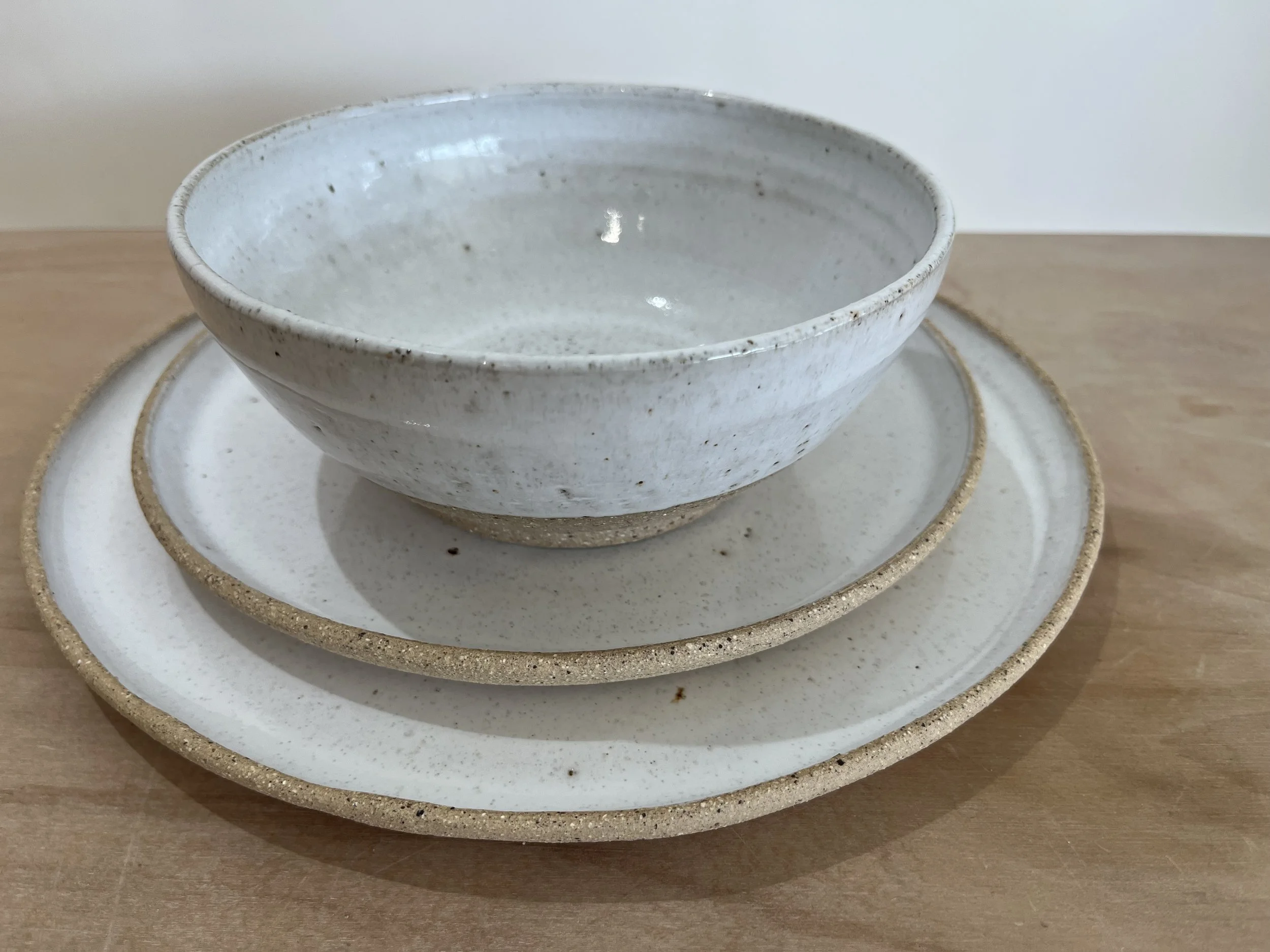
2. Slab Plates and Trays
Slab work involves rolling clay into flat sheets and shaping it into functional items like plates, trays, or shallow dishes.
Roll your clay evenly with a rolling pin or slab roller. Cut it into the desired shapes using a knife or template, and gently curve the edges for a polished look. You can also add textures, patterns, or simple decorations to the surface for a personalised touch.
This project teaches you about uniform thickness and shaping, which are essential skills for more advanced pottery projects.
3. Simple Clay Mugs (Without a Wheel)
You don’t need a pottery wheel to make a basic mug. Using slabs or coils, you can shape a functional mug and even attach a handle.
Form the mug body using slabs or coils, then roll a small coil or shape for the handle. Attach the handle to the body with slip, a mixture of clay and water, to create a secure bond. Smooth the joints with a damp sponge for a clean finish.
Even simple handmade mugs have a unique charm and are perfect for practising joining techniques and proportion.
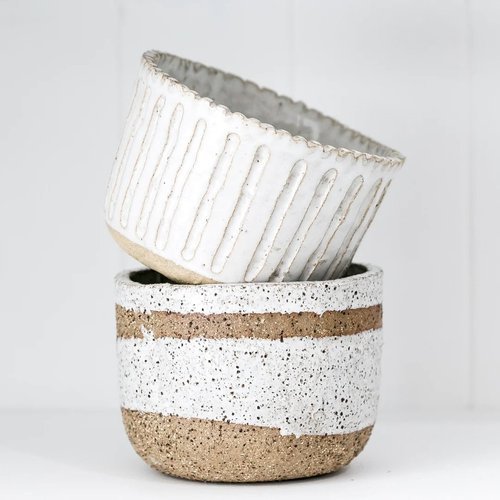
4. Mini Plant Pots
Mini plant pots are fun, practical, and forgiving for beginners. Their small size makes them easy to handle and decorate.
Shape the pot using slabs or coils, forming a small open container. If desired, add a drainage hole at the bottom using a straw or small tool. Smooth the surface or add textures and patterns for a personal touch.
Mini pots are ideal for succulents, cacti, or desk plants, and they give you plenty of room to experiment with design and texture.
5. Coil Pots
Coil pottery is a classic hand-building technique that lets you create taller or more complex shapes without a wheel.
Begin by rolling clay into long, even coils. Flatten one coil to form the base, then stack additional coils on top, smoothing the joints as you build upward. Continue stacking until your piece reaches the height you want.
Coil pots help you understand structure and form while giving you creative freedom. You can leave the coils visible for texture or smooth them for a clean finish.
6. Clay Ornaments and Wall Hangings
Flat clay projects like ornaments and wall hangings are excellent for beginners. They require minimal shaping and dry evenly, making them easy to work with.
Roll out a flat slab of clay, cut it into shapes using cookie cutters or a knife, and add holes for hanging. Decorate with carvings, stamps, or textures.
Related Article:
How to Choose the Right Clay for Your Pottery Project
Why You Should Try Pottery Classes for Mind & Body
Top Tips for Beginners in Wheel Throwing Classes
Learn Pottery with Expert Guidance at Pot Studios
Whether you’re new to pottery or looking to refine your existing skills, Pot Studios helps you take your craft to the next level.
Here, you can explore advanced forms, experiment with creative surface techniques, try your hand at glazing, or take wheel-throwing classes under the guidance of experienced instructors.
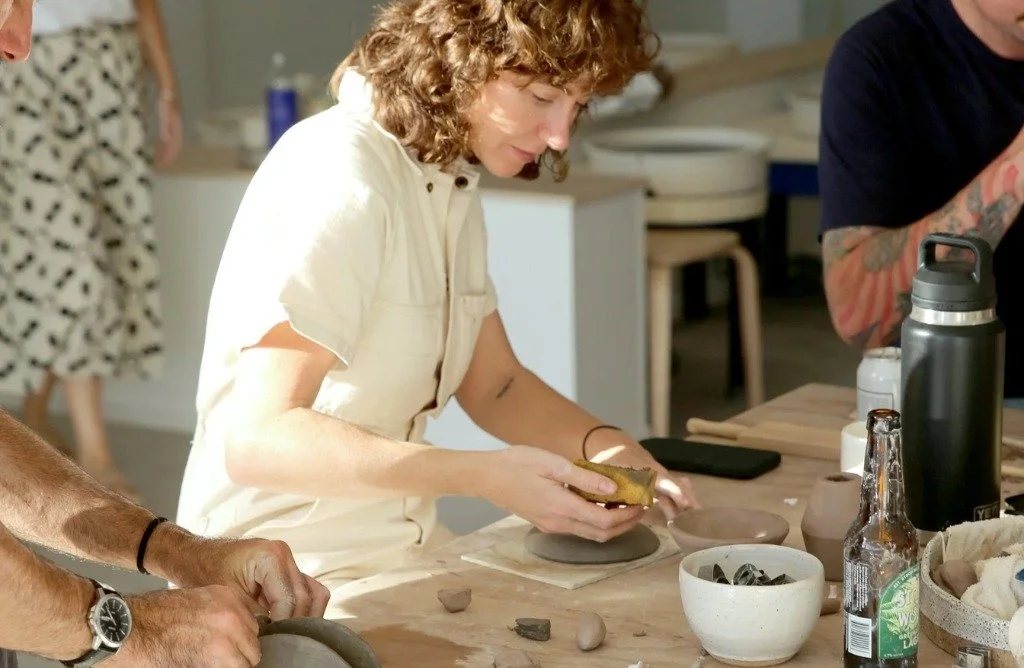
Pot Studios offers a variety of services to support your pottery journey:
Hand-Building & Wheel Courses – Learn foundational techniques like pinch pots, coil work, and slab building.
Glazing & Firing Services – Professional firing and glazing to turn your creations into durable, finished pieces.
Special Events & Private Classes – Personalised sessions for groups, celebrations, or one-on-one learning experiences.
Studio Memberships – Access the studio, tools, and materials anytime to practice independently.
Workshops – Themed and skill-focused sessions for beginners and advanced learners to expand creativity.
Start with simple shapes, enjoy the process, and let your creativity grow.
Helpful Advice for a Successful First Pottery Session
Starting pottery for the first time can feel exciting and a bit overwhelming. To make your experience enjoyable and successful, keep these simple tips in mind:
Start small: Choose easy projects like pinch pots or simple slabs.
Keep clay moist: Use a little water to prevent cracking, but don’t overdo it.
Take your time: Work slowly and patiently; rushing can ruin your piece.
Focus on basics: Learn hand-building techniques before attempting complex shapes.
Use tools wisely: Sponges, modelling tools, and rolling pins can help shape and smooth your clay.
Practice cleanup: Keep your workspace tidy to avoid dried clay sticking to surfaces.
By following these tips, your first pottery session will be fun, relaxing, and rewarding. Remember, every great potter started exactly where you are now!
Looking for more pottery inspiration? Follow us on Instagram!