
What Pottery Painting Techniques Are Best for Beginners?
What if turning a plain piece of pottery into something beautiful was easier than you think?
If you’ve ever sat in front of a blank ceramic piece wondering where to start, you’re not alone. Pottery painting can feel intimidating at first, but the truth is, you don’t need to be an artist to create something stunning. With the right beginner-friendly techniques, a little creativity, and a willingness to experiment, you can transform simple pottery into eye-catching, personalized art in no time.
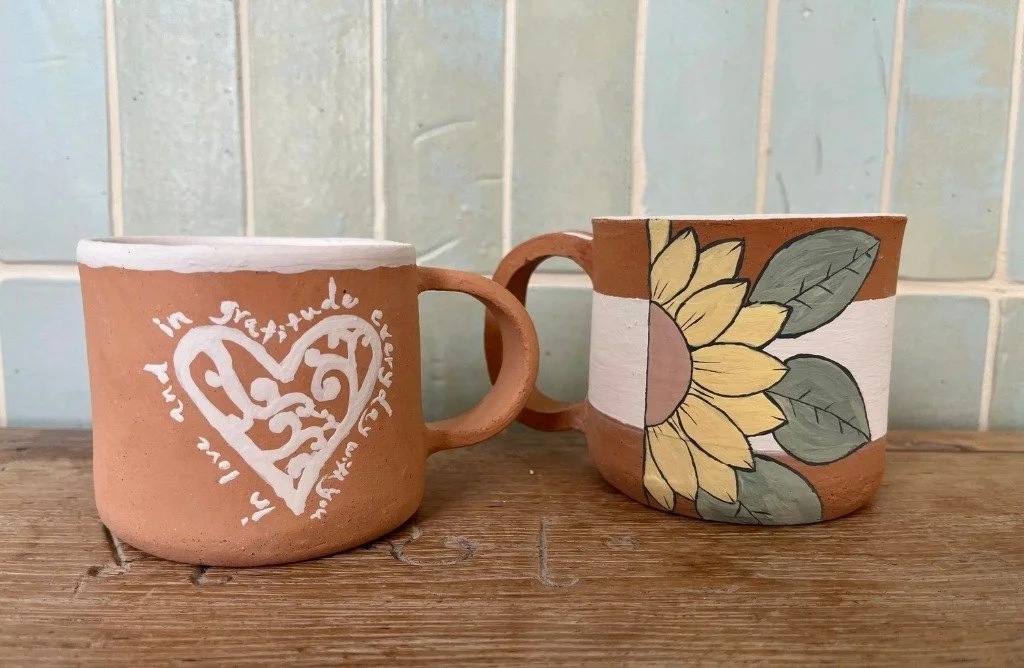
What is Pottery Painting?
Pottery painting is the creative process of decorating ceramic items using special paints and techniques. It involves applying colors, patterns, and designs onto pre-made pottery pieces like mugs, plates, or bowls. Beginners usually start with ready-to-paint ceramics, making it easy to focus on creativity rather than shaping clay.
The paints used are typically non-toxic and designed to bond with the ceramic surface after firing. This art form allows complete freedom of expression, whether you prefer simple designs or detailed artwork. Pottery painting is popular among all age groups because it’s relaxing, therapeutic, and doesn’t require advanced artistic skills to get started.
6 Simple Pottery Painting Techniques for Beginners
Beginners can start pottery painting with easy techniques that deliver beautiful results without complexity. Methods like sponge dabbing, color layering, and basic brush strokes help build confidence. These techniques focus on creativity rather than perfection, making the process enjoyable and stress-free for first-time painters.
1. Sponge Painting Technique
Sponge painting is one of the easiest and most beginner-friendly pottery techniques. It involves dipping a sponge into paint and gently dabbing it onto the ceramic surface to create textured effects. This method is perfect for creating soft gradients, clouds, or abstract patterns without needing precise brush control.
Beginners can experiment with multiple colors to produce unique blends and layered effects. It’s also a forgiving technique, as mistakes are less noticeable. Sponge painting works well on mugs, plates, and decorative items, making it a great starting point for anyone exploring pottery painting for the first time.
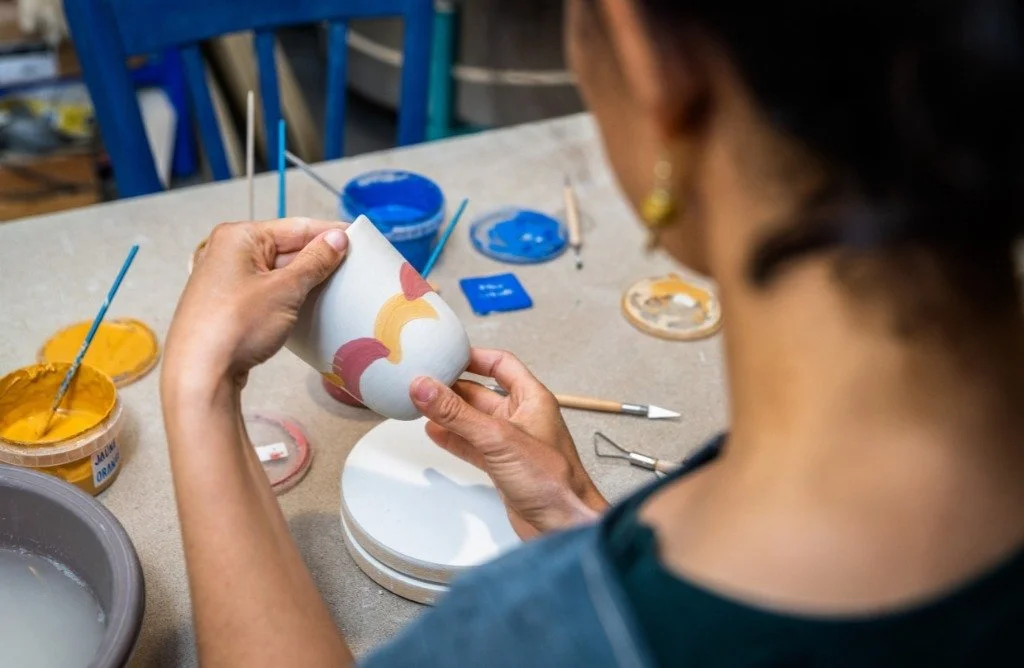
2. Brush Stroke Basics
Learning basic brush strokes is essential for any beginner in pottery painting. Simple strokes, such as lines, dots, and curves, can be combined to create beautiful patterns and designs.
Improves control and precision
Use different brush sizes
Create simple patterns easily
Builds confidence step by step
Starting with minimal pressure and gradually building control helps improve precision over time. Beginners should practice using different brush sizes to understand how each affects the final design. This technique is perfect for painting floral patterns, borders, or simple illustrations. With consistent practice, even basic brushwork can transform plain pottery into eye-catching pieces while building confidence in handling painting tools.
Note: Looking for a fun, creative group activity? Our workshops are perfect for birthdays, baby showers, hen parties, Christmas events, or team-building for 6–25 participants. Book your date today!
3. Stenciling Technique
Stenciling is an excellent method for beginners who want clean and professional-looking designs. It involves placing a stencil on the pottery surface and applying paint over it to create precise shapes and patterns. This technique removes the pressure of freehand drawing, making it ideal for those new to painting.
Beginners can use pre-made stencils or create their own designs for a personalized touch. It works well for lettering, geometric patterns, and themed artwork. Stenciling allows consistent results and helps beginners understand spacing, symmetry, and design placement on pottery.
4. Color Layering Technique
Color layering is a simple yet effective way to add depth and richness to pottery designs. It involves applying one layer of paint, allowing it to dry, and then adding additional layers to enhance the visual effect. Beginners can experiment with light and dark shades to create contrast and dimension.
This technique is perfect for backgrounds, gradients, and artistic effects. It also helps in correcting minor mistakes, as layers can cover imperfections. By practicing color layering, beginners can develop a better understanding of color combinations and improve their overall painting skills.
5. Dot Painting Technique
Dot painting is a fun and relaxing technique that involves creating designs using small dots of paint. Beginners can use tools like cotton swabs, brushes, or dotting tools to achieve consistent dot sizes.
Ideal for mandala designs
Improves hand control
Simple and relaxing method
Creates detailed patterns
This method is great for creating mandala patterns, borders, and decorative elements. It requires patience but doesn’t demand advanced skills, making it perfect for beginners. Dot painting also helps improve hand control and precision over time. The repetitive nature of this technique makes it calming and enjoyable, while the final results often look detailed and impressive.
6. Tape Resist Technique
The tape resist technique is perfect for creating clean lines and geometric patterns. It involves placing masking tape on the pottery surface to block certain areas, then painting over it. Once the paint dries, the tape is removed to reveal sharp, defined designs.
Beginners can use this method to create stripes, shapes, or modern patterns without worrying about uneven edges. It’s a simple way to achieve professional-looking results with minimal effort. This technique also encourages experimentation with layouts and color combinations, helping beginners build confidence in their creative abilities.
Related Articles:
Why Do Some People Get Addicted to Pottery After Just One Class
Why Pottery Lovers Should Join a Basket Weaving Workshop
Why Handmade Dinnerware Enhances the Dining Experience
How to Improve Pottery Painting Skills as a Beginner?
If you want to truly improve your pottery painting skills, the key lies in consistent practice and learning the right techniques from the start. Beginners often feel stuck, but with the right environment and guidance, progress becomes faster and more enjoyable. At Pot Studios, you get the perfect space to explore creativity, try new styles, and gain confidence with every piece you paint.
Practice Regularly: Consistent practice improves control, creativity, and technique over time. Even small daily efforts can make a big difference.
Learn from Experts: Expert guidance helps you avoid mistakes and learn faster with useful tips and feedback.
Experiment with Techniques: Trying different styles helps you find your unique approach and build confidence.
Focus on Color Combinations: Learning how colors work together makes your designs more attractive and balanced.
Don’t limit yourself to just watching videos; take action and start creating. Join Pot Studios in Gold Coast today, refine your skills, and turn your creativity into stunning pottery pieces you’ll be proud of.
FAQs
1. Do I need artistic skills to start pottery painting?
No, pottery painting is beginner-friendly and does not require artistic experience. Simple techniques and guided methods help anyone create beautiful designs while gradually building confidence and improving creativity through regular practice.
2. What paint to use for clay pottery?
Special ceramic or underglaze paints are used for pottery painting. These paints are designed to bond with the surface and become permanent after firing, ensuring your designs remain vibrant and long-lasting.
3. What are the most common mistakes beginners make?
Beginners often use too much paint, rush the process, or skip planning their design. Taking time, using thin layers, and practicing basic techniques can help avoid these common mistakes effectively.
4. Can kids try pottery painting safely?
Yes, pottery painting is safe for kids when using non-toxic paints and proper supervision. It’s a fun, creative activity that helps improve focus, motor skills, and imagination in an enjoyable way.