
Answers to the Most Common Pottery Questions
Pottery is a slow, satisfying craft where simple clay transforms into something meaningful. The process invites you to slow down, work with your hands, and discover creativity through touch and form. Each stage, from shaping to firing, offers a new experience and a chance to learn.
If you’re new to pottery, questions naturally come up about tools, time, techniques, and skill level. Even regular potters often seek clarity on glazing, firing, and clay choices.
Here, we’ll answer the most common pottery questions in an easy, practical way, helping you feel informed, inspired, and ready to begin.
Why Is Pottery Worth Trying?
Pottery is a unique way to combine creativity, focus, and hands-on learning. It allows you to work with your hands, experiment with shapes, textures, and glazes, and see your ideas take form. Unlike many hobbies, pottery offers a tangible reward; you can touch, use, and display the pieces you create.
At Pot Studios, we make pottery accessible and fun for everyone. Our classes and workshops guide you through every step, from basic hand-building to advanced techniques, all in a supportive, inspiring space.
Trying pottery isn’t just about making objects; it’s about exploring creativity, reducing stress, and experiencing the joy of crafting something with your own hands.
11 Most Common Pottery Questions
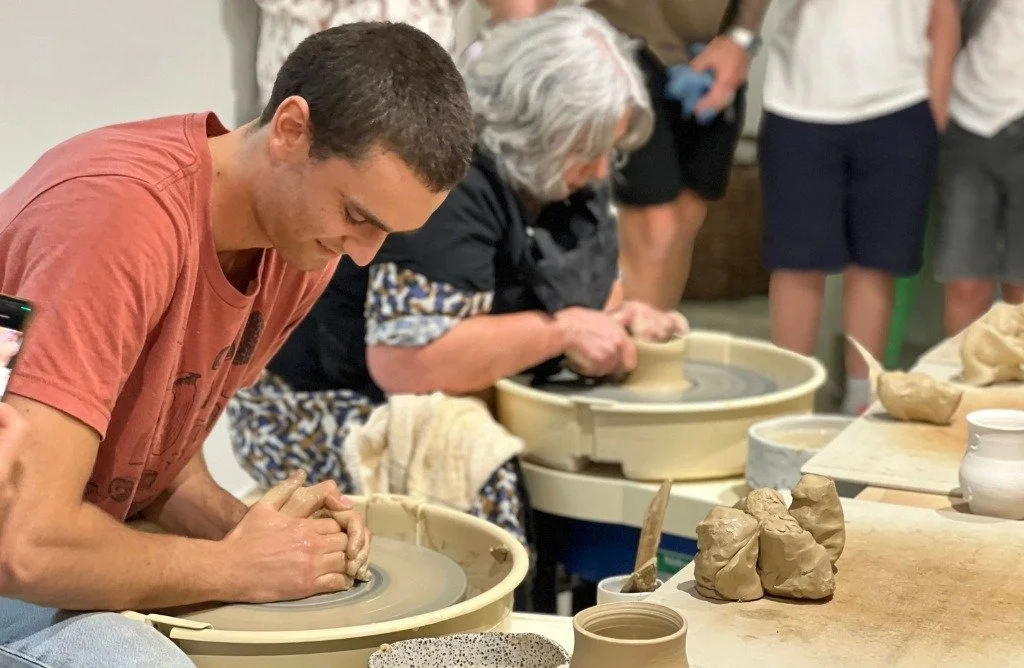
Pottery is a journey of discovery, where every piece teaches something new. From shaping soft clay to adding color and texture, there’s so much to explore. If you’ve ever wondered how pottery works or how to get started, we’ve gathered helpful answers to guide you.
Q1. Is pottery hard to learn?
Pottery is beginner-friendly, but it does take time and practice to feel comfortable with clay. In the beginning, pieces may feel uneven or imperfect, which is completely normal. Every potter goes through this stage.
With regular practice and guidance, hand strength, control, and understanding of clay improve quickly. Many people find the learning process enjoyable rather than stressful.
Q2. What are the main types of clay used in pottery?
The three most common pottery clays are:
Earthenware – Soft, easy to shape, and great for beginners
Stoneware – Strong, durable, and ideal for everyday functional pottery
Porcelain – Smooth and refined, but more challenging to work with
Each clay type has different firing temperatures, textures, and finishes. Choosing the right clay depends on your skill level and the type of pottery you want to create.
Q3. What is wheel throwing in pottery?
Wheel throwing is a pottery technique where clay is shaped on a spinning wheel. The potter uses steady hand pressure to center the clay, open it, and form symmetrical shapes like bowls, cups, and vases.
This method helps develop hand coordination and rhythm. While it looks simple, mastering wheel throwing takes practice and patience.
Q4. What is hand-building in pottery?
Hand-building involves shaping clay without using a wheel. Common techniques include pinch pots, coil building, and slab construction. This method allows for more freedom and organic shapes.
Hand-building is often recommended for beginners because it helps them understand clay behavior and basic construction techniques.
Q5. What is a kiln?
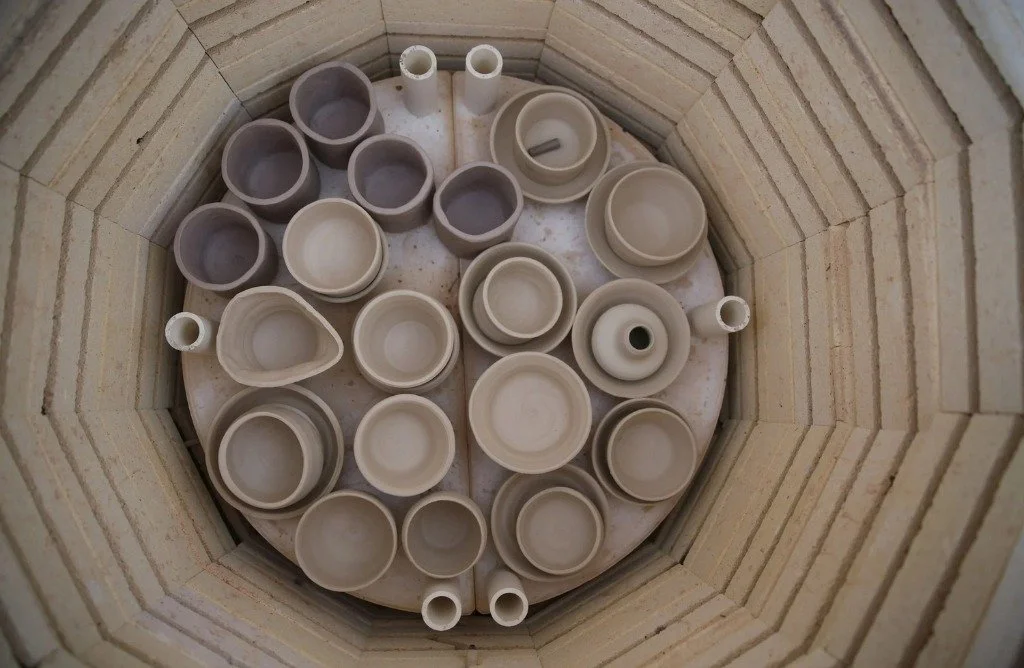
A kiln is a specialized oven used to fire pottery at extremely high temperatures, transforming soft clay into hard, durable ceramic. This firing process permanently changes the clay’s structure, making it strong and long-lasting. Kilns can be electric, gas, or wood-fired, and each type creates different surface effects and finishes. Learning how kilns work helps beginners understand why firing is one of the most important stages in pottery.
Note: If you’re looking for pottery classes and workshops on the Gold Coast, Pot Studios offers expert guidance, creative sessions, and a welcoming studio environment.
Q6. What does bisque firing mean?
Bisque firing is the first firing of pottery after it has fully dried. This process removes all remaining moisture from the clay and hardens the piece enough to handle safely. After bisque firing, the pottery becomes porous, which allows the glaze to absorb properly. This step prepares the piece for glazing and reduces the risk of breakage during the final firing.
Q7. What is glazing?
Glazing is the process of applying a liquid, glass-like coating to pottery before the final firing. When heated in the kiln, the glaze melts and forms a smooth, sealed surface. Glazes add color, shine, texture, and protection to pottery. When properly fired, glazes also make functional pottery such as mugs and plates safe for everyday use.
Q8. What tools are needed to start pottery?
Beginners typically need:
Clay
A few basic shaping tools
A sponge
A wire cutter
Access to a kiln
Potstudios provide pottery tools, making it easy to start without a big investment. This extra step-by-step understanding helps beginners feel more confident as they learn and experiment with clay.
Q9. What are common beginner pottery projects?
Beginner pottery projects often include pinch bowls, small planters, mugs, plates, and simple vases. These projects teach essential skills such as shaping clay, controlling thickness, smoothing surfaces, and applying glaze. Starting with small, functional items allows beginners to practice techniques while creating pieces they can use or gift.
Q10. Is pottery relaxing?
Yes, pottery is widely known for its calming and therapeutic benefits. Working with clay encourages focus, slow movements, and creative expression, helping reduce stress and mental fatigue. Many people find pottery to be meditative, as it allows them to disconnect from screens and daily pressures while staying fully present in the moment.
Q11. Why should I take a pottery class?
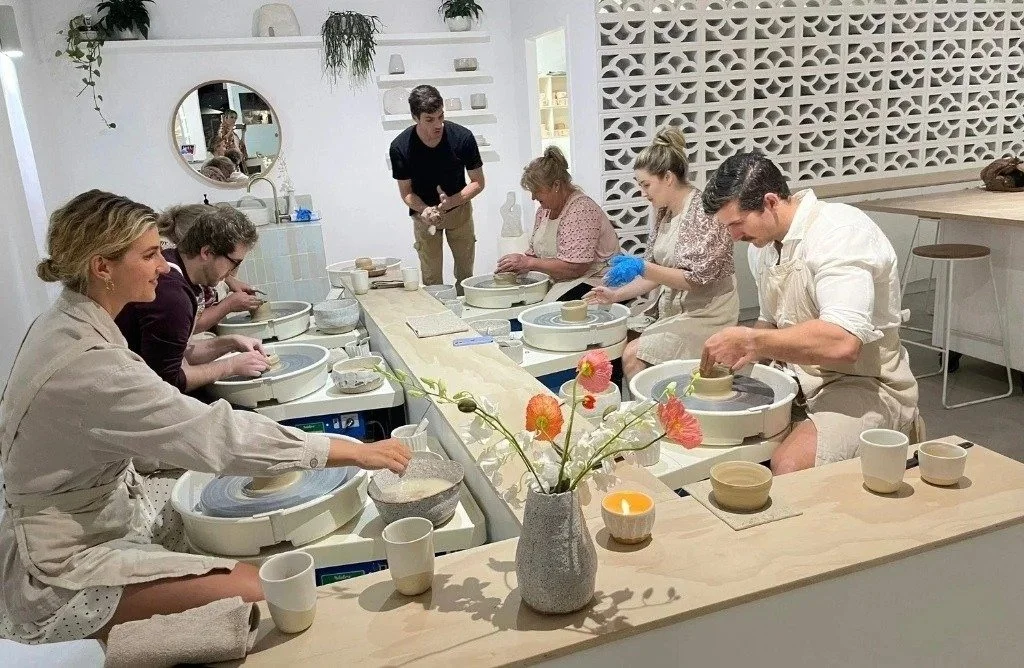
Taking a pottery class provides structured guidance, hands-on instruction, and access to professional tools and kilns. Classes help beginners learn correct techniques, understand the firing process, and avoid common mistakes. They also offer a supportive, creative environment where students can learn, experiment, and grow alongside others.
Related Article:
8 Ways to Care for Your Handmade Ceramics
5 Reasons Pottery Gift Vouchers Are the Best Gift This Festive Season
How to Choose the Right Clay for Your Pottery Project
Have Pottery Questions?
Pot Studios knows that stepping into the world of pottery can feel both exciting and a little overwhelming. That’s why we’re here to guide you every step of the way. Whether you’re completely new to clay or have some experience, our workshops and classes are designed to help you explore, learn, and create with confidence.
From understanding different types of clay to learning hand-building and wheel-throwing techniques, we cover everything you need to start your pottery journey. Our friendly instructors share practical tips on shaping, glazing, and firing your pieces, while encouraging experimentation and creativity.
Pottery is about more than just making objects; it’s a mindful, hands-on experience that brings joy, relaxation, and a sense of accomplishment. Pot Studios makes it easy to turn your ideas into beautiful, lasting creations.