
Why Is Pottery the Perfect Offline Hobby in a Digital World?
Notifications never stop. Screens glow from morning alarms to midnight scrolling. In a world where work, entertainment, and even relationships live online, many people feel mentally drained and creatively disconnected. The constant digital noise leaves little space for quiet focus, real touch, and meaningful creation. That’s why more people are turning to hands-on hobbies that bring them back to the present moment.
Pottery offers something rare today, true offline immersion. When your hands sink into cool clay, and your mind focuses on shaping a simple form, the outside world fades away.
There are no pop-ups, no pressure to perform, no endless comparisons: just you, the wheel, and the rhythm of creation. Pottery reconnects you with patience, creativity, and calm in the most natural way possible.
Is Pottery a Good Hobby?

Yes, pottery is a highly rewarding and creative hobby. It allows you to transform simple clay into functional and artistic pieces like mugs, bowls, and decorative forms. The process is hands-on and engaging, helping you build real skills while expressing your creativity.
Pottery is suitable for all skill levels, from beginners to advanced makers. It encourages patience, focus, and experimentation, making each session both relaxing and productive. Most importantly, you create something tangible and meaningful, pieces you can use, gift, or proudly display in your home.
👉 How to Choose the Right Clay for Your Pottery Project
7 Reasons Pottery Is the Best Offline Hobby
Pottery brings you back to the physical world. It engages your senses, demands patience, and rewards focus. In a digital age filled with instant gratification, pottery teaches slow creation and mindful progress. It replaces scrolling with shaping, tapping with touching, and notifications with natural rhythm.
1. Encourages Deep Focus
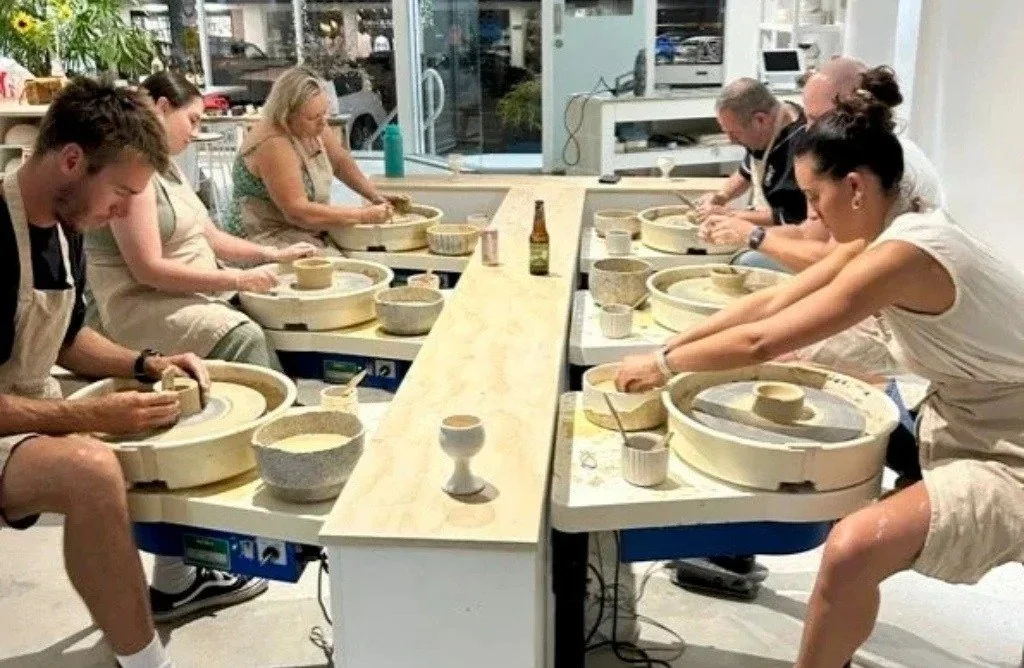
Pottery requires complete attention. When centering clay on a wheel or shaping it by hand, even a small distraction can change the outcome. This intense focus creates a meditative state where your mind stays present. Unlike digital multitasking, pottery trains your brain to concentrate on one meaningful task.
Over time, this improves patience and clarity. The process naturally slows your thoughts and reduces anxiety. In a world of constant interruptions, pottery becomes a rare space where your mind can rest and fully engage in purposeful creation.
2. Reduces Stress Naturally
Working with clay relaxes the nervous system. The smooth texture, repetitive wheel motions, and tactile pressure create a soothing rhythm. Unlike digital entertainment, pottery slows the body and mind, offering a mindful, calming activity. Creativity combined with touch helps release tension and reduce anxiety naturally.
Engages senses for relaxation.
Releases physical and mental tension.
Offers a creative emotional outlet.
Encourages mindful breathing and focus.
Pottery provides a mental break from constant screens, allowing you to feel lighter, restore balance, and cultivate inner calm through purposeful, hands-on creation.
3. Builds Real-World Skills
Digital activities often create virtual achievements, but pottery builds tangible skills. You learn hand control, design sense, patience, and craftsmanship. Each finished bowl or cup represents real improvement. These skills cannot be downloaded or automated; they are earned through practice.
Pottery teaches resilience because mistakes are part of the learning process. You understand materials, techniques, and timing. In a world where automation is rising, having a physical, creative skill feels empowering. It reconnects you to the value of handmade work and personal growth.
Also Read: What Makes Pottery So Addictive? – The Magic of Clay
4. Creates Physical, Meaningful Results
Pottery produces objects you can hold, use, and gift, unlike fleeting digital content. Each creation reflects your effort, patience, and creativity, providing lasting satisfaction and pride. These physical results also help track personal growth over time.
Creates tangible, lasting items.
Enhances sense of accomplishment.
Shaping clay allows you to see real-world results from your effort, reinforcing mindfulness, patience, and pride in producing something uniquely yours.
5. Encourages Mindfulness
Pottery demands awareness of pressure, movement, and balance. If your hands move too fast, the clay collapses. If you rush, the form weakens. This naturally teaches mindfulness. You learn to breathe, slow down, and respond carefully.
There is no fast-forward button. The process unfolds step by step. This mindful engagement reduces mental clutter and increases emotional balance. Unlike digital platforms designed for speed and stimulation, pottery encourages presence and calm awareness, making it an ideal offline practice for modern life.
6. Builds Community Offline
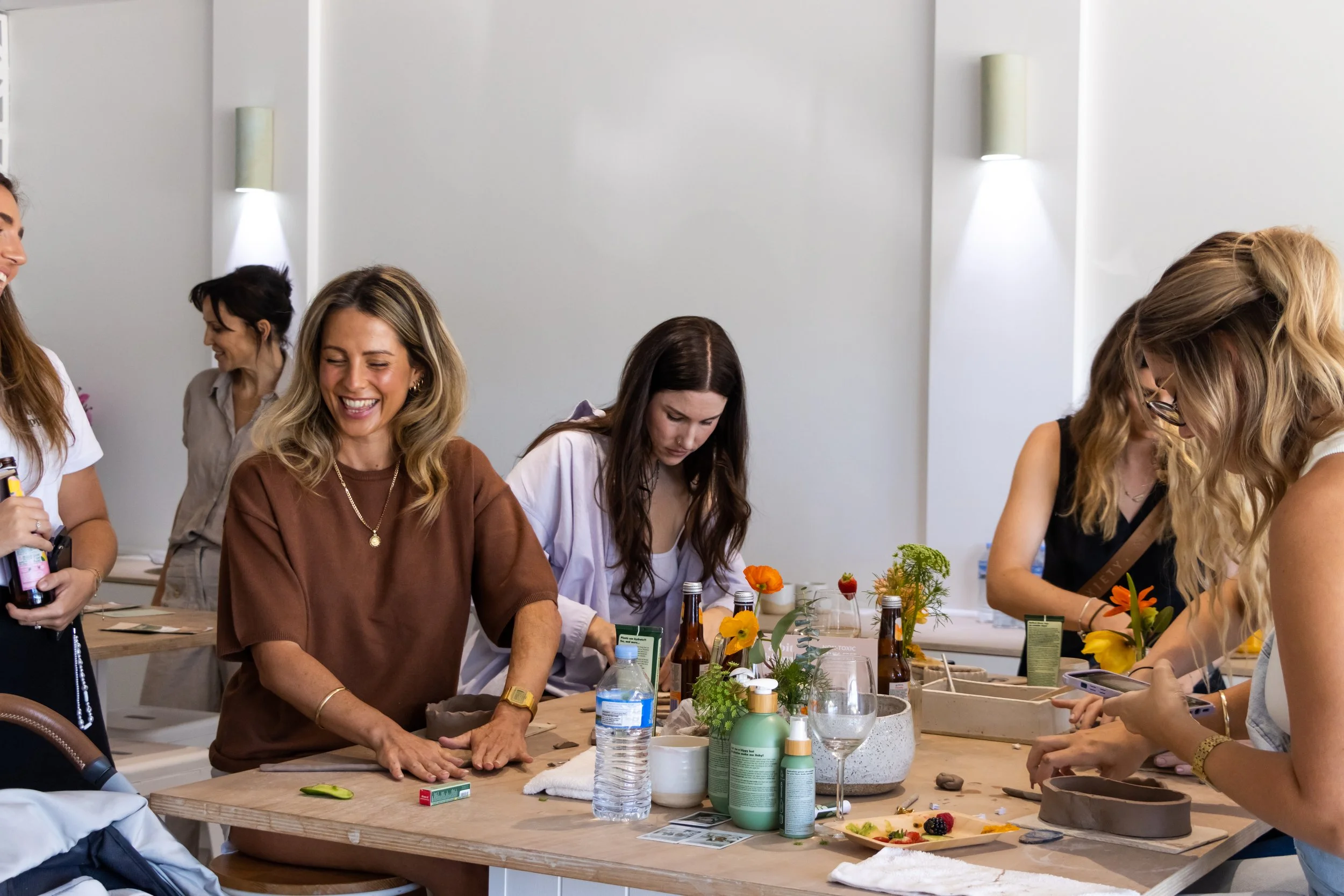
While digital platforms connect people virtually, pottery studios create a real-life community. Working alongside others fosters conversation, shared learning, and creative exchange. You see others’ progress, learn from their mistakes, and celebrate their successes.
The environment encourages collaboration instead of comparison. In-person interaction builds stronger emotional connections than online communication. Pottery classes often become social spaces where creativity and friendship grow together. In a world where isolation is increasing, this offline connection becomes incredibly valuable.
7. Restores Balance in a Tech-Driven Life
Pottery balances digital overload. Working with clay reminds you that productivity and creativity take time. Focusing on the process protects mental health, reduces stress, and allows mindful expression. It encourages slowing down in a fast-paced world.
Creates offline boundaries from screens.
Encourages slow, deliberate work.
Promotes creativity and expression.
Improves overall well-being.
Engaging in pottery regularly becomes a restorative ritual, helping you recharge creativity, find calm, and maintain balance in a life dominated by digital demands.
Ready to Unplug and Create Something Real?
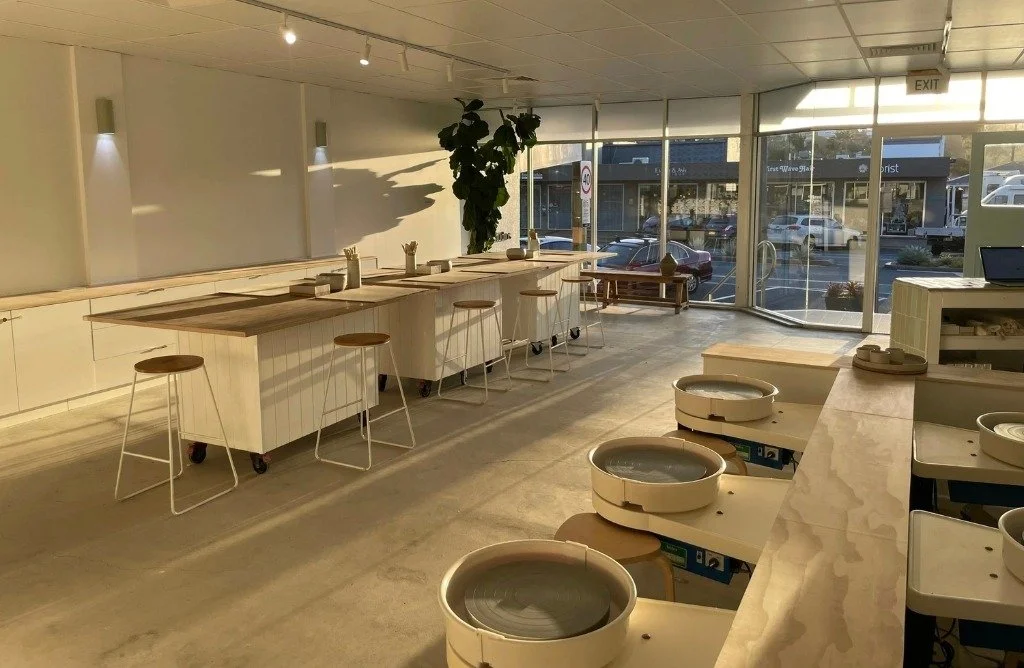
If you’re feeling overwhelmed by constant notifications and screen time, Pot Studios invites you to experience creativity in its purest form. Step into our fully equipped studio and discover the joy of shaping clay with your own hands. Whether you're a beginner or looking to refine your skills, our welcoming space is designed to inspire, relax, and reconnect you with hands-on artistry.
At Pot Studios, we offer:
Courses & Workshops: Join 5-week and 10-week courses, wheel-throwing sessions, hand-building classes, and homeware workshops for all skill levels.
Special Events: Celebrate birthdays, baby showers, hen parties, or corporate gatherings with customized group pottery experiences.
Private Classes: Enjoy personalized one-on-one or small group sessions tailored to your goals and skill level.
Each session is guided by experienced instructors who support your creative journey in a fun and encouraging environment. Whether you’re looking to learn, celebrate, or simply unwind, Pot Studios helps you unplug, connect, and create meaningful pieces you’ll cherish.
Related Articles:
7 Reasons to Join a 5-Day Pottery Course
Why Pottery Lovers Should Join a Basket Weaving Workshop?
5 Reasons Pottery Gift Vouchers Are the Best Gift This Festive Season
Can Pottery Truly Change the Way We Live in a Digital Age?
Yes, it can. Small habits create big lifestyle shifts. When you dedicate time to pottery, you intentionally disconnect from digital overload and reconnect with real experiences. This shift improves focus, reduces stress, and enhances creativity. Over time, you begin valuing depth over speed and quality over quantity.
Pottery influences how you approach other areas of life, work, relationships, and self-care. It teaches patience in conversations and persistence in challenges. In a digital age driven by immediacy, pottery quietly reshapes your rhythm, helping you live more consciously and creatively.
FAQs
1. How to start pottery as a hobby?
You can start pottery by joining a local studio or beginner course where tools and materials are provided. Begin with basic wheel-throwing or hand-building classes, learn foundational techniques, and gradually practice consistently to build confidence and skill.
2. Is pottery an expensive hobby?
Pottery can become expensive if you purchase your own wheel, kiln, and materials. However, many hobbyists avoid high costs by working in studios. Expenses depend on how seriously you pursue it and your preferred setup.
3. What are the benefits of pottery?
Pottery improves creativity, focus, and hand-eye coordination. It reduces stress, builds patience, and provides the satisfaction of creating functional art. The hands-on process also encourages mindfulness and meaningful self-expression.